
In the age of digital transformation, the internet of Things (IoT) and smart devices are reshaping how you interact with technology in our daily lives. From smart home gadgets to industrial receptors, these innovations are increasingly embedded in the fabric of modern living. At the heart of this technological movement are electronic design services, which play a critical role in bringing IoT and smart devices one’s. This blog delves into how electronic design services contribute to the development of IoT devices and the benefits they offer in creating advanced, interconnected solutions.
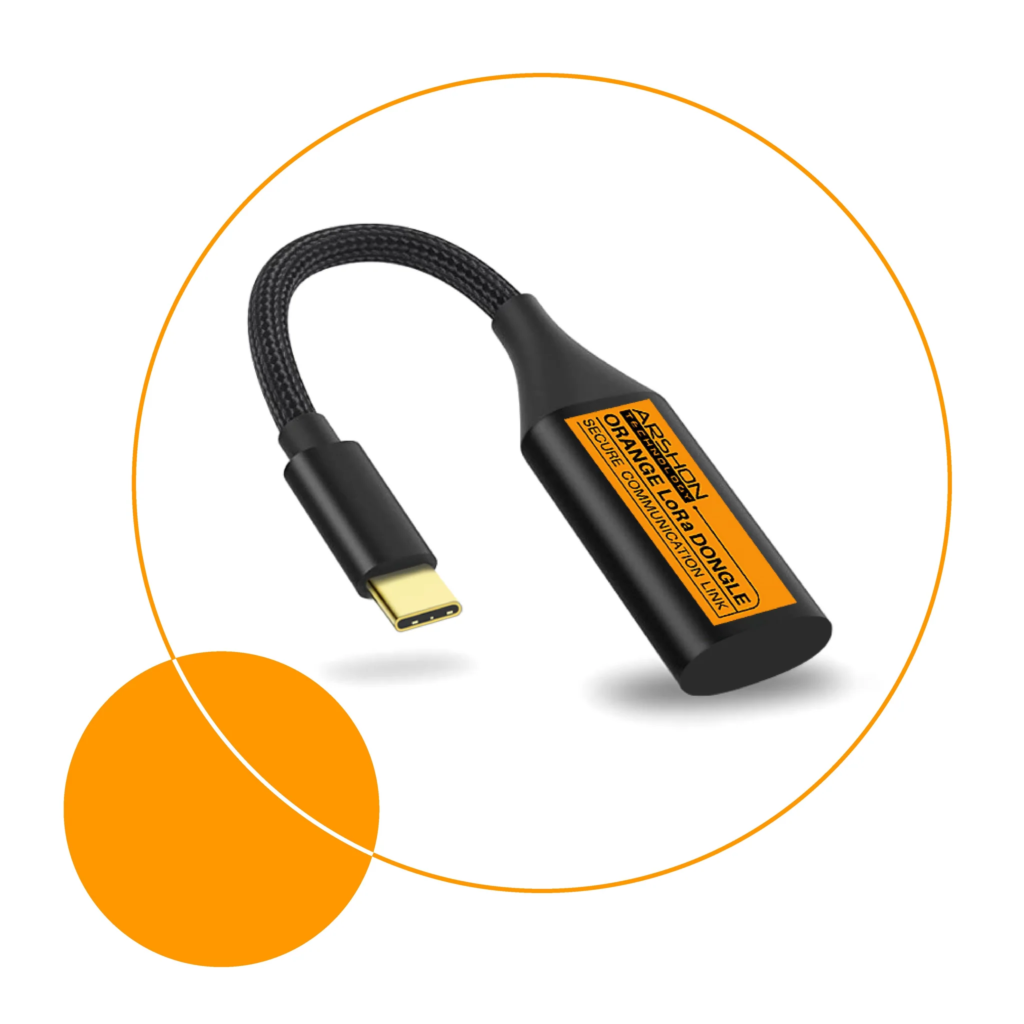
Understanding Electronic Design Services in the Context of IoT
Electronic design services involve a range of specialized tasks involved in the creation of electronic systems and components. In the context of IoT development and Custom Electronics smart devices, these services cover the entire design process, from initial concept to final product. The role of electronic design services is particularly critical due to the complexness and interconnectivity required for effective IoT solutions.
Conceptual Design and Planning
The journey of developing an IoT device begins with conceptual design and planning. Electronic design services help define the project’s objectives, target applications, and technical specifications. This phase involves brainstorming ideas, identifying key features, and determining how the device will interact with other systems and networks. For IoT devices, this includes considerations such as on the internet options, data handling, and integration with fog up services.
Routine Design and Component Selection
Once the concept is defined, electronic design services move on to routine design and component selection. Engineers create detailed routine diagrams and select components that fulfill the device’s requirements. For IoT devices, this often involves choosing microcontrollers, receptors, communication web template modules, and power management solutions. The goal is to design a routine that supports the device’s functionality while optimizing for factors such as power consumption, size, and cost.
PCB Layout and Prototyping
The next phase is designing the printed routine board (PCB) layout, , involving arranging the electronic components on a board and ensuring that they are properly connected. For IoT devices, PCB design must accommodate compact form factors and ensure reliable performance in several operating conditions. Prototyping follows, allowing engineers to build and test a physical model of the device. This phase is critical for validating the design and making necessary adjustments before moving to full-scale production.
Firmware Development and Integration
Firmware development is a key aspect of IoT device design. It involves programming the device’s microcontroller to perform specific functions, manage communication, and process data. Electronic design services often include firmware development as part of their offerings, ensuring that the device operates effortlessly and interacts seamlessly with other components and systems. Integration with fog up platforms and APIs is also addressed during this phase, enabling the device to get in touch to networks and exchange data.
Testing and Validation
Thorough testing and validation are necessary for ensuring that IoT devices meet performance, reliability, and safety standards. Electronic design services conduct extensive testing to gauge the device’s functionality, durability, and deference with regulatory requirements. This includes testing for on the internet, data transmission, power consumption, and environmental conditions. Feedback from testing is used to improve the design and address any issues before the device is released to the market.
Production and Scalability
Once the design is validated, electronic design services assist with production preparation and scalability. This includes creating detailed manufacturing documentation, setting up production processes, and ensuring that the device can be produced efficiently and cost-effectively. For IoT devices, scalability is a critical consideration, as the design must accommodate large databases and ensure consistent quality across all units.
Ongoing Support and Updates
Post-production support is an important factor of electronic design services. This includes monitoring the performance of the device, addressing any conditions that arise, and providing updates or improvements based on user feedback and technological advancements. For IoT devices, ongoing support may involve software updates, security patches, and enhancements to maintain functionality and address emerging challenges.
Benefits of Electronic Design Services for IoT and Smart Devices
Electronic design services offer numerous benefits in the development of IoT and smart devices. These advantages include:
Expertise and Innovation
Electronic design services bring specialized knowledge and expertise to the table, including the rendering of cutting-edge technologies and innovative solutions. Engineers with experience in IoT and smart device design can leverage their skills to create advanced, high-performance products that meet market demands.
Efficiency and Speed
Leverage electronic design services can reduces costs of the design process, reducing the time required to develop and launch new IoT devices. Specialized tools and methodologies, such as rapid prototyping and advanced simulation, enhance efficiency and enable faster iteration and refinement of designs.
Cost-Effectiveness
By optimizing the design process and minimizing errors, electronic design services help to lower development costs. Efficient design practices, component selection, and prototyping contribute to saving money and ensure that the final product is economically viable.
Enhanced On the internet and Integration
For IoT devices, effective on the internet and integration with other systems are necessary. Electronic design services ensure that devices can communicate seamlessly with networks, fog up platforms, and other devices, enabling the creation of cohesive and functional IoT ecosystems.
Scalability and Flexibility
Electronic design services support scalability, ensuring that designs can be used for large-scale production and fulfill the demands of growing markets. Additionally, flexibility in design allows for customization and adaptation to specific applications or customer needs.
Future Trends in IoT and Electronic Design Services
The field of IoT and electronic design services is continuously improving, with several trends surrounding the future of technology development:
Integration of AI and Machine Learning
Artificial intellect (AI) and machine learning are increasingly being integrated into IoT devices, enabling advanced analytics, predictive maintenance, and intelligent automation. Electronic design services are incorporating AI capabilities into device designs to enhance functionality and performance.
Advancements in On the internet
Emerging on the internet technologies, such as 5G and low-power wide-area networks (LPWAN), are increasing techniques for IoT devices. Electronic design services are adapting to these advancements to create devices that leverage the benefits of improved on the internet and data transmission.
Focus on Security and Privacy
As IoT devices are more prevalent, security and privacy concerns are gaining importance. Electronic design services are prioritizing the integration of robust security measures, including encryption, secure sneaker, and access controls, to protect data and ensure user privacy.
Development of Edge Precessing
Edge precessing, , involving processing data closer to the cause rather than relying on centralized fog up servers, is becoming a key trend in IoT. Electronic design services are incorporating edge precessing capabilities into device designs to reduce latency, improve performance, and enhance data processing efficiency.
Conclusion: Looking at the Role of Electronic Design Services in IoT Development
Electronic design services are integral to the development of IoT devices and smart technologies. From conceptual design to prototype development and beyond, these services supply expertise, efficiency, and innovation needed to create advanced, interconnected solutions. As the IoT landscape continues to progress, staying informed about emerging trends and leverage the capabilities of electronic design services will be crucial for driving technological advancements and achieving success in the dynamic world of smart devices. Looking at these services and their benefits will ensure that your IoT projects are well-positioned for the future and capable of meeting the demands of an increasingly connected world.
