
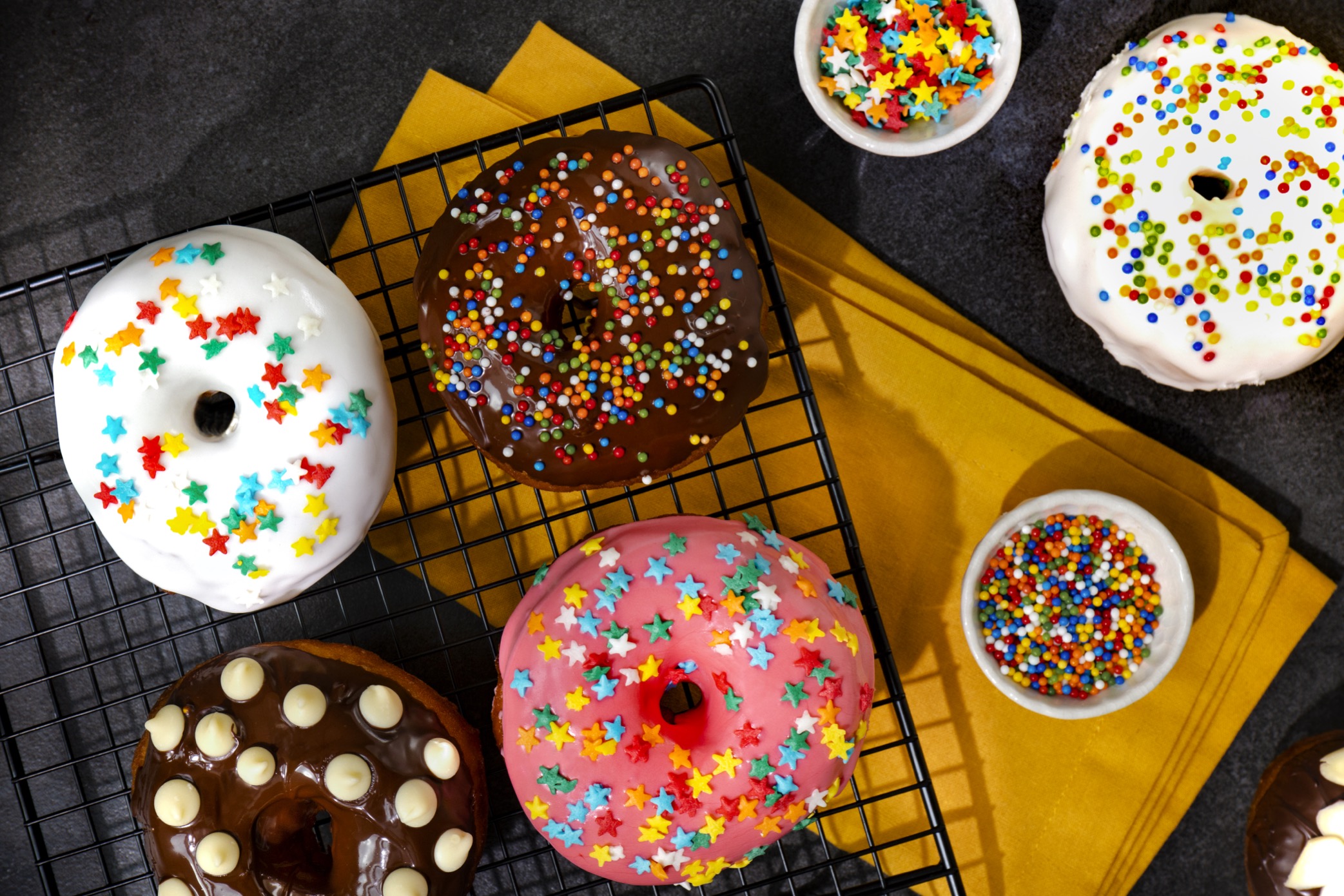
There’s something magical about the smell of freshly fried donuts wafting through the kitchen. While store-bought donuts can be JURAGAN88 convenient, nothing compares to the satisfaction of making your own at home. Homemade donuts allow you to control the ingredients, experiment with flavors, and create treats that are fresh, warm, and irresistibly delicious. Whether you’re aiming for classic glazed rings, sugar-coated delights, or filled creations, understanding the proper techniques and steps is key to achieving that perfect texture—crispy on the outside, soft and airy on the inside.
The first step in making perfect donuts is selecting the right ingredients. A simple combination of flour, sugar, yeast, milk, eggs, butter, and a pinch of salt forms the foundation of most recipes. Using high-quality ingredients ensures better flavor and texture. Yeast-based donuts require time for the dough to rise, allowing the gluten to develop and produce a light, fluffy result. For quicker options, cake donuts can be made using baking powder instead of yeast, creating a denser, tender texture that is easier to handle but still delicious. Understanding the differences between yeast and cake donuts will help you choose the right recipe for your taste and schedule.
Once your ingredients are ready, mixing and kneading the dough properly is crucial. For yeast donuts, gently warm the milk to activate the yeast before combining it with sugar and eggs. Mix in the flour gradually and knead until the dough becomes smooth and elastic. Over-kneading can make the donuts tough, while under-kneading can result in dense, unevenly cooked pastries. After kneading, cover the dough and let it rise in a warm place until it doubles in size. This step can take anywhere from one to two hours, depending on the environment, and is essential for achieving that light, airy texture.
Shaping the donuts is where creativity meets technique. For classic rings, roll out the dough to an even thickness and use a round cutter with a smaller center cutter to form the iconic donut shape. For filled donuts, simply cut small rounds of dough and set aside for later filling after frying. Ensuring consistent thickness helps the donuts cook evenly. Once shaped, let them rest for another 15–20 minutes to allow for a second rise. This final proofing step ensures the donuts are soft and fluffy when fried, preventing them from becoming heavy or greasy.
Frying the donuts requires careful attention to temperature. Heat oil to around 350°F (175°C) for even cooking. Fry a few donuts at a time to avoid overcrowding, which can lower the oil temperature and result in soggy pastries. Cook each side until golden brown, about 1–2 minutes per side, then remove with a slotted spoon and drain on paper towels. For a healthier alternative, donuts can also be baked, though they may lack the characteristic crisp exterior. Timing and temperature control are key to achieving the perfect balance of crunchy exterior and soft interior that defines a well-made donut.
Finally, the finishing touches—glazing and decorating—allow you to customize your creation. Classic sugar, cinnamon, or chocolate glazes add sweetness and shine, while sprinkles, nuts, or powdered sugar provide extra flair. For filled donuts, inject your favorite cream, jam, or custard once cooled slightly. Homemade donuts can be as simple or extravagant as you like, giving you complete freedom to experiment with flavors and textures. With practice, patience, and attention to detail, making perfect homemade donuts becomes a rewarding culinary adventure, resulting in treats that are not only delicious but also crafted with love and care.
