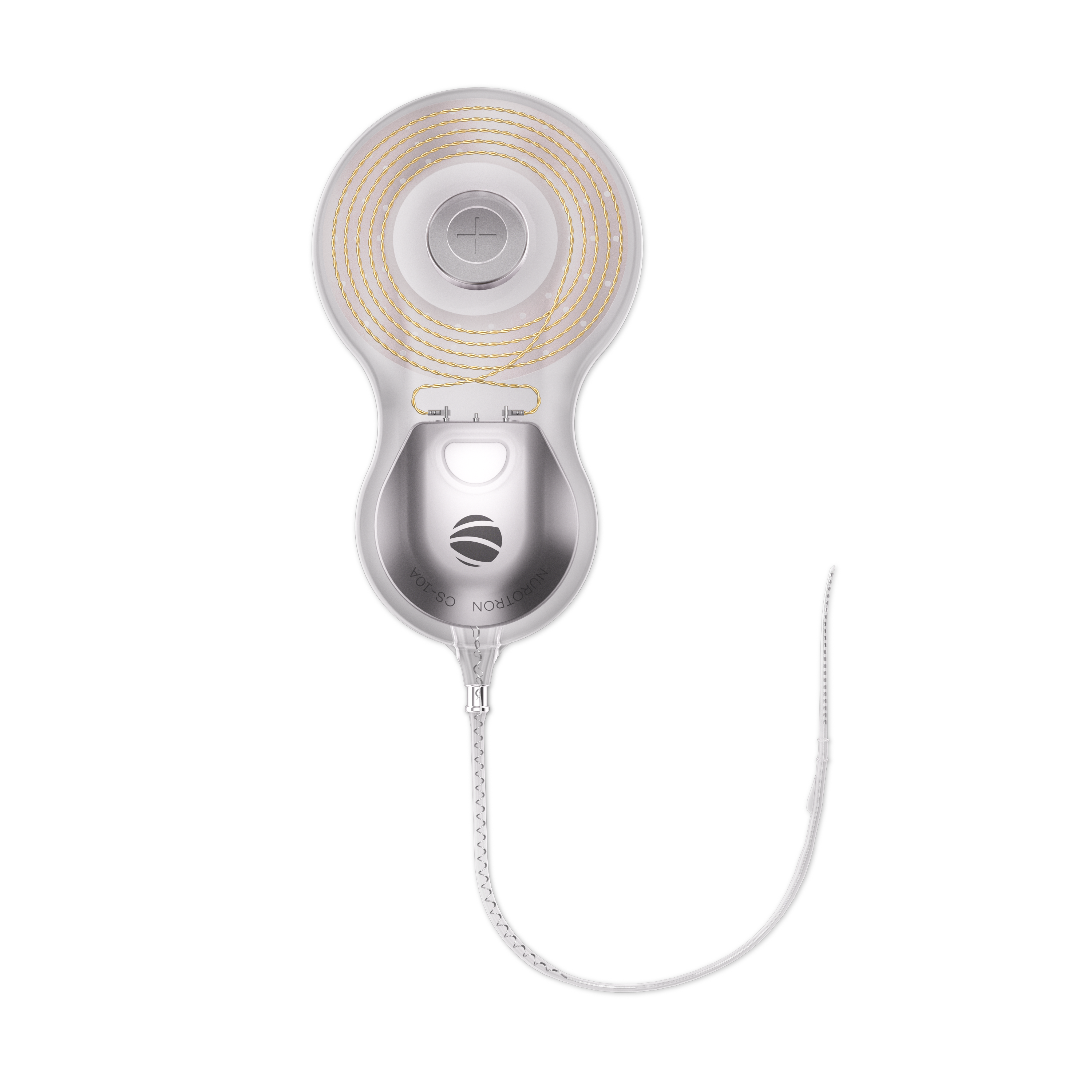
Did you know that over 466 million people worldwide suffer from disabling hearing loss? Among them, bilateral implants have emerged as a transformative solution, significantly enhancing the quality of life for many. These advanced devices not only improve auditory perception but also present unique challenges and opportunities in their transportation logistics.
The Intricacies of Bilateral Implants and Their Transport Attributes
Bilateral implants are sophisticated medical devices designed to provide sound input to both ears, facilitating better spatial awareness and improved communication. The transportation attributes of these implants are critical; they must be handled with utmost care due to their delicate components and stringent regulatory requirements. In terms of Distribution Network Design, it is essential to ensure that these products reach healthcare providers efficiently while maintaining optimal conditions throughout the supply chain.
Nurotron’s Approach to Distribution Network Design for Bilateral Implants
Nurotron has established itself as a leader in the field by focusing on an innovative Distribution Network Design tailored specifically for bilateral implants. Their strategy emphasizes localized distribution centers that reduce transit times and enhance responsiveness to market demands. By leveraging advanced tracking technologies, Nurotron ensures real-time visibility into inventory levels and shipment statuses, thereby minimizing delays and ensuring product integrity during transport.
Cochlear Implant Company’s Distinctive Features in Distribution Network Design

- Centralized Warehousing: Cochlear implant companies often utilize centralized warehouses strategically located near major markets to streamline operations.
- Temperature-Controlled Logistics: Given the sensitivity of implant materials, temperature-controlled shipping methods are employed to maintain product efficacy.
- Sophisticated Inventory Management Systems: Advanced software solutions help track stock levels accurately across various distribution points.
- Collaborative Partnerships: Establishing strong relationships with logistics partners enhances flexibility and reliability within the supply chain.
- User-Centric Delivery Models: Tailored delivery options cater specifically to healthcare providers’ needs, ensuring timely access for patients requiring immediate assistance.
A Conclusive Overview on Bilateral Implants’ Impact on Distribution Network Design
The integration of bilateral implants into modern healthcare systems necessitates a robust approach towards Distribution Network Design. As we have explored through Nurotron’s innovations and cochlear implant companies’ strategic features, effective transportation logistics play a pivotal role in delivering these life-changing devices safely and efficiently. Ultimately, optimizing this network not only benefits manufacturers but most importantly improves patient outcomes globally.
Click cochlear implant company.